
Letkun liitin
Letkun liitin


 Kieli
Kieli


Letkun liitin
Letkun liitin
Letkun liitin
Letkun liitin
Letkun liitin
Letkun liitin
Letkun liitin
Letkun liitin
Letkun liitin
Pikaliittimet joustaville letkuille, jotka tarjoavat taivutuskestävyyden ja tiiviin suorituskyvyn vesi-, ilma- ja nestejärjestelmille.


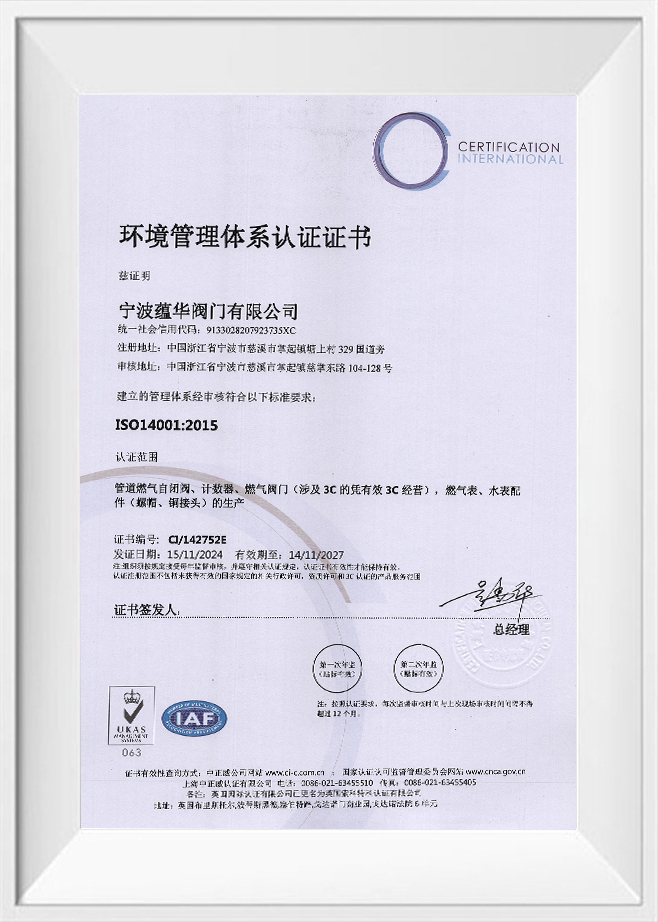
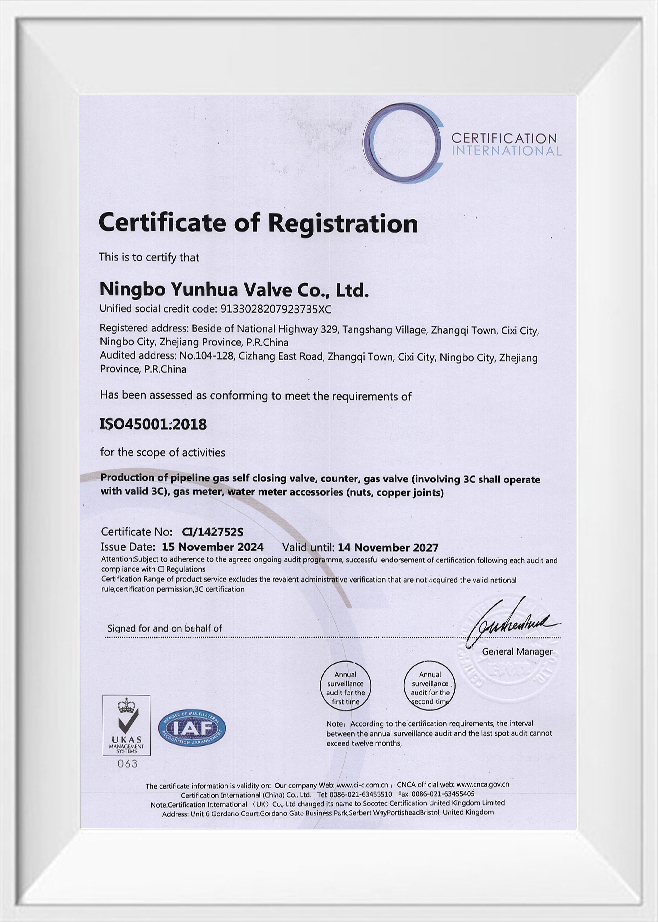
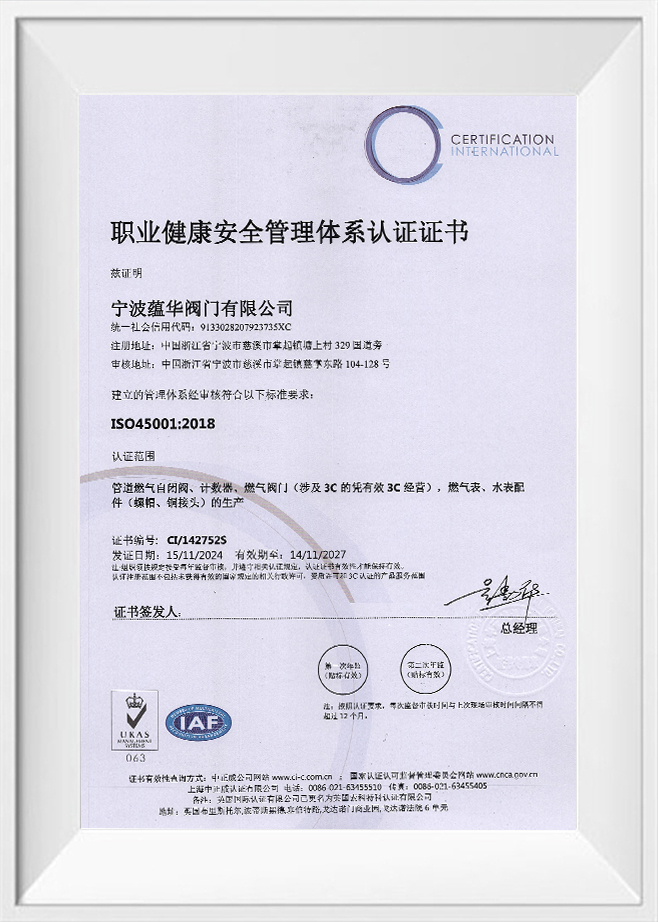
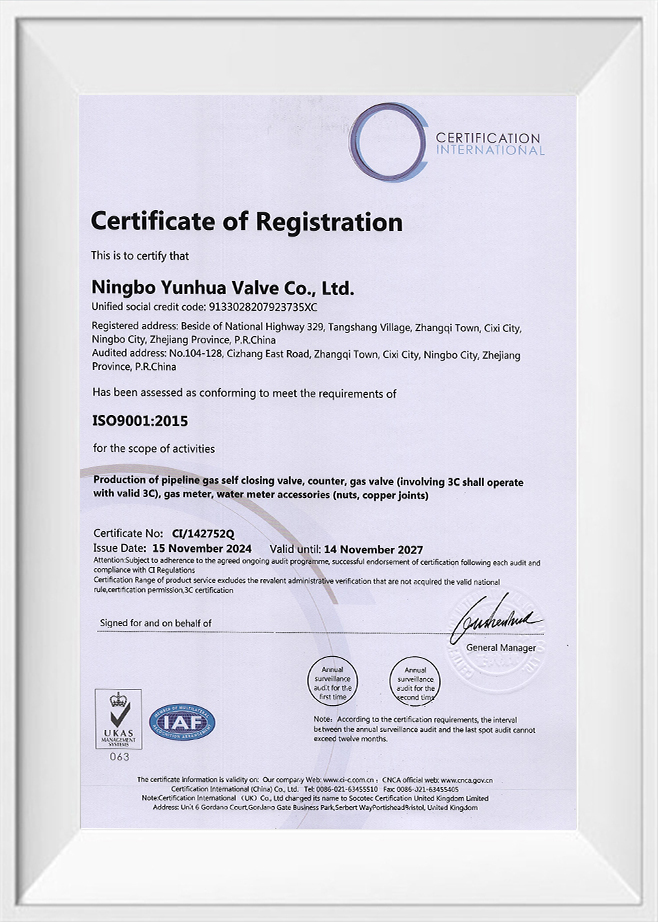
In modern industrial fluid networks and pneumatic systems, the efficiency of medium transmission directly determines the operational stability of the entire production line. As a critical component connecting pipelines, valves, and terminal equipment, the hose connector bears the dual responsibilities of fluid guidance and pressure containment. From high-pressure hydraulic lines in automated manufacturing to complex fluid control systems in chemical processing and commercial water supply networks, any minor connection failure can result in catastrophic system pressure loss, medium leakage, or costly unplanned downtime.
For global procurement managers, sourcing a robust hose connector is not merely a component purchasing decision, but a strategic measure to control the Total Cost of Ownership and eliminate industrial safety hazards. High-performance connection components must demonstrate exceptional mechanical endurance, reliable seal integrity, and precise structural compatibility under severe operational conditions such as continuous pressure pulsations, thermal cycling, and corrosive environments.
To satisfy these demanding commercial and technical requirements, Ningbo Yunhua Valve Co., Ltd. leverages its deep technical expertise and comprehensive manufacturing capabilities to provide high-precision gas, fluid, and water supply connection solutions for global industrial supply chains. Spanning a state-of-the-art facility of 20,000 square meters, the company integrates advanced research and development with professional, fully automated precision machining workshops, standardized assembly lines, and rigorous testing environments. This industrial foundation enables the stable mass production of premium hardware accessories and fluid control components that seamlessly integrate into high-standard international engineering projects.
In international industrial trade, balancing standardization with customization is a core challenge for fluid network design. Standardized configurations ensure rapid component interchangeability across global supply chains, while highly customized original equipment manufacturer and original design manufacturer structural designs are required to address specific mechanical envelopes, extreme pressure spikes, or uncommon medium characteristics. Backed by a professional management team and a decade of specialized industry cultivation, Ningbo Yunhua Valve Co., Ltd. delivers an annual production capacity of 10 million sets of hardware accessories and 2 million sets of valves. This massive capacity ensures that whether a project demands large-scale batches of standard international specifications or highly specialized custom connection components, the supply chain remains resilient, punctual, and fully compliant with stringent quality benchmarks.
To clearly illustrate the operational boundaries and application suitability of different connection systems, the table below provides a comprehensive comparison of standard commercial fluid connectors across critical engineering metrics:
| Connector Parameter Category | Industrial Heavy-Duty Type | Commercial Fluid Type | High-Precision Instrumentation Type | Miniature Pneumatic Type |
| Primary Material | Carbon Steel (Zinc Plated) / Grade 316 Stainless Steel | H59/H62 Brass / Grade 304 Stainless Steel | Grade 316L Stainless Steel / Duplex Steel | Nickel-Plated Brass / Engineering Polymers |
| Nominal Pressure Range | 35.0 MPa to 70.0 MPa (High Pressure) | 1.6 MPa to 6.4 MPa (Medium Pressure) | 10.0 MPa to 42.0 MPa (Medium-High Pressure) | 0.1 MPa to 1.0 MPa (Low Pressure) |
| Working Temperature Limit | Minus 40 degrees Celsius to plus 250 degrees Celsius | Minus 20 degrees Celsius to plus 120 degrees Celsius | Minus 50 degrees Celsius to plus 350 degrees Celsius | 0 degrees Celsius to plus 60 degrees Celsius |
| Applicable Fluid Medium | Hydraulic Oils, Synthetic Fluids, Heavy Hydrocarbons | Potable Water, Low-Pressure Gas, Mild Chemicals | Corrosive Chemical Reagents, Ultra-Pure Gas | Compressed Air, Inert Gases, Vacuum |
| Main Sealing Mechanism | Metal-to-Metal Taper / Heavy NBR O-Ring | Fluororubber (VITON) / EPDM Flat Gasket | Precision Double Ferrule | Nitrile Rubber (NBR) Lip Seal / Push-In Claw |
| Vibration Resistance | Exceptional (Designed for Mechanical Shocks) | Moderate (For Stationary Installations) | High (For Precision Control Panels) | Low to Moderate (For Dynamic Automation) |
| Corrosion Resistance Rating | More than 120 Hours Salt Spray Test (Red Rust) | More than 72 Hours Salt Spray Test (White Rust) | More than 240 Hours Salt Spray Test (Red Rust) | More than 48 Hours Salt Spray Test (White Rust) |
| Primary Thread Standards | BSPT, NPT, Metric Fine Thread | BSPP, NPT, G-Thread | NPT, UNF, Metric Cylinder Thread | G-Thread, R-Thread, M5 Miniature |
The structural architecture and material composition of a hose connector dictate its operational boundaries, structural integrity, and long-term reliability within a fluid or gas distribution network. To ensure zero-leakage performance under varying thermal and mechanical stresses, industrial procurement must align the connector’s mechanical classification with the specific physical demands of the media application.
Stainless Steel (Grade 304/316): Engineered for highly corrosive environments, chemical processing lines, and high-pressure fluid networks. Grade 316 stainless steel contains molybdenum, which provides exceptional resistance to pitting and chloride-induced stress cracking.
Brass (H59/H62): The industry standard for low-to-medium pressure water supply systems, gas distribution, and pneumatic instrumentation. Brass offers excellent machinability, natural spark resistance, and reliable structural stability under moderate thermal fluctuations.
Carbon Steel (Zinc Plated): Deployed primarily in heavy-duty hydraulic lines where high tensile strength is mandatory. The surface is treated with electro-galvanized or zinc-nickel plating to mitigate atmospheric oxidation.
To guarantee that these diverse material structures perform flawlessly under real-world conditions, Ningbo Yunhua Valve Co., Ltd. utilizes an advanced, fully automated precision machining workshop equipped with high-performance domestic and international CNC machine tools. This rigorous manufacturing environment ensures precise wall thickness, strict dimensional uniformity, and exact material tolerances across all hardware accessories, ensuring that every brass or steel component meets rigid engineering specifications.
Threaded Configurations: These rely on mechanical thread engagement to secure the fluid joint. Tapered threads (such as NPT and BSPT) achieve a seal by wedging the mating threads together, requiring a secondary sealant. Parallel threads (such as BSPP and Metric) maintain a constant diameter and rely entirely on an independent sealing ring or gasket to prevent medium escape.
Quick-Disconnect and Camlock Couplings: Designed for operational environments that require frequent assembly and disassembly. These mechanisms utilize locking cams or spring-loaded ball bearings to secure the hose connector instantly without the aid of manual tools, making them ideal for fluid transfer stations and automated production lines.
Barbed and Beaded Fittings: Optimized for flexible low-pressure tubing. The raised ridges or barbs grip the inner lining of the flexible hose, which is then secured externally using a tension clamp or ferrule to prevent slip-offs under pressure.
The internal sealing interface is the most critical factor in guaranteeing zero-leakage configurations. Depending on the mechanical envelope and the nature of the fluid or gas, three primary methods are utilized:
O-Ring Face Seals (ORFS): Features a synthetic elastomeric ring seated in a machined groove. When tightened, the ring compresses against a flat mating surface, providing maximum leak protection under high vibration.
Metal-to-Metal Taper Seals: Utilizes precisely machined matching cones (such as 37-degree JIC or 45-degree SAE flares). The mechanical force of the retaining nut deforms the metal surfaces slightly to create a permanent, high-pressure seal without any elastomeric components.
Flat Gaskets: Primarily used in parallel thread arrangements where an elastomeric or soft copper washer is compressed between the shoulder of the hose connector and the mating port.
Leveraging its professional automated assembly and testing equipment, Ningbo Yunhua Valve Co., Ltd. subjects its fluid control components to exhaustive pressure and seal testing workflows. This high-precision verification ensures that the internal sealing seats, thread profiles, and mating dimensions of every valve and hardware accessory are free from structural defects, maintaining complete system integrity.
| Technical Parameter | Stainless Steel (Grade 316) | Brass (H59/H62) | Carbon Steel (Zinc-Plated) | Engineering Polymer (POM/NYLON) |
| Tensile Strength | Greater than or equal to 515 MPa | Greater than or equal to 380 MPa | Greater than or equal to 420 MPa | 60 to 80 MPa |
| Maximum Hydraulic Pressure | Up to 70.0 MPa | Up to 16.0 MPa | Up to 42.0 MPa | Up to 1.0 MPa |
| Operating Temperature Range | Minus 196 to plus 600 degrees Celsius | Minus 60 to plus 200 degrees Celsius | Minus 40 to plus 250 degrees Celsius | Minus 20 to plus 80 degrees Celsius |
| Chemical Compatibility | High (Acids, Alkalis, Salts) | Medium (Water, Oils, Air) | Medium (Hydraulic Fluid, Oil) | Low-Medium (Water, Inert Gases) |
| Machined Thread Tolerance | Plus or minus 0.02 mm | Plus or minus 0.01 mm | Plus or minus 0.02 mm | Plus or minus 0.05 mm |
| Vibration Fatigue Resistance | Superior | Good | Excellent | Poor |
| Primary Failure Mode | Work Hardening / Galling | Dezincification in Acid | Atmospheric Oxidation | Environmental Stress Cracking |
To ensure that a hose connector can withstand the volatile physical conditions of fluid power transmission, plumbing, and gas delivery, it must be engineered and manufactured according to strict technical specifications. Standardizing mechanical tolerances, pressure thresholds, and temperature limits ensures that components installed across different utility networks and mechanical assemblies achieve consistent, reliable performance.
Every hose connector is rated with specific mechanical boundaries that govern its safe deployment:
Working Pressure: The maximum continuous pressure that the connector can safely manage during routine operation without material fatigue or seal deformation.
Burst Pressure: The ultimate physical limit at which the connector fails structurally. For industrial and public utility safety, engineering guidelines mandate a safety factor (typically 3 to 1 or 4 to 1) between the burst pressure and the working pressure to accommodate sudden hydraulic spikes.
Thermal Expansion and Contraction: Dynamic shifts in fluid or ambient temperatures alter the physical dimensions of both the connector alloy and its internal elastomeric seals. If a component operates outside its rated thermal window, thread backing-off or premature seal hardening can occur, resulting in system failure.
Adherence to international standardized frameworks ensures that dimensional measurements, material purities, and safety metrics are maintained uniformly across all production cycles.
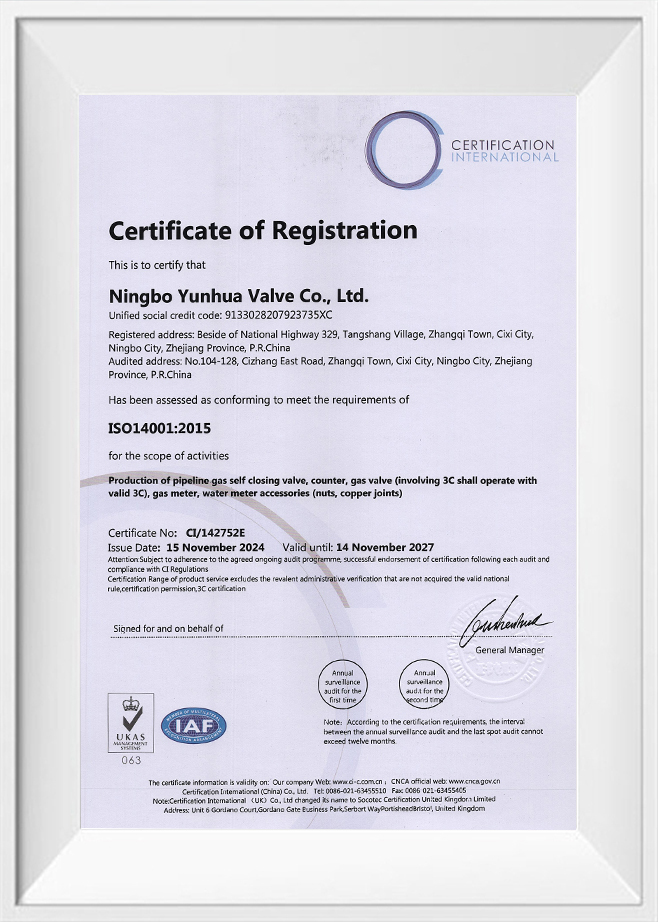
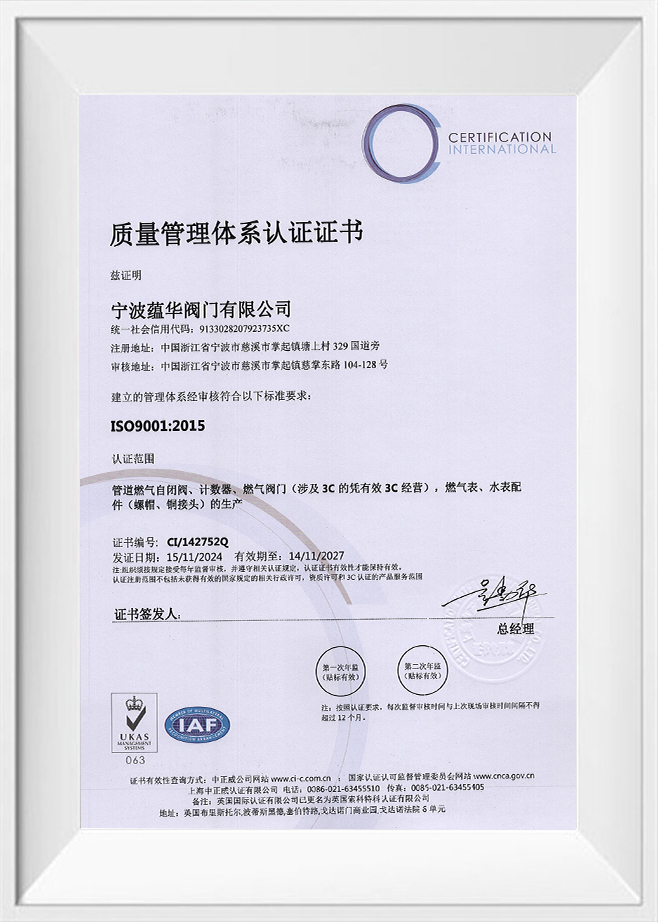
ISO 9001 Integration: This framework enforces systematic quality management across every phase of production—from raw material inspection through automated machining to final product verification.
CE and GS Standards: Certification markers proving that hardware accessories and fluid control components adhere to rigorous mechanical safety, structural stability, and operational safety directives.
SAE / DIN / Dimension Standards: Specifications dictating the precise thread geometry, pitch, angle, and wall thickness for hydraulic and pneumatic fluid components, ensuring cross-platform hardware compatibility.
Ningbo Yunhua Valve Co., Ltd. has established a professional, fully automated precision machining workshop, an integrated assembly line, and a dedicated testing workshop to ensure that every manufactured component perfectly aligns with these rigorous parameters. Backed by an annual production capacity of 2 million sets of valves and 10 million sets of hardware accessories, the company utilizes advanced domestic and international CNC machine tools alongside specialized automated testing equipment. This robust infrastructure guarantees that each hose connector exhibits flawless thread compliance and satisfies all relevant international safety and quality standards.
High-integrity fluid networks require verified material transparency. Mill Test Reports and physical material traceability confirm the chemical composition (such as exact chromium, nickel, or copper percentages) and mechanical traits of the raw alloys. This strict oversight guarantees that components destined for high-stress gas or water supply systems will not fail prematurely due to internal structural voids or incorrect alloy blending.
| Technical Specification Parameter | Low-Pressure Utility Class | Medium-Pressure Industrial Class | High-Pressure Engineering Class | Ultra-High Pressure Extreme Class |
| Typical Target Application | Residential Water Lines, Low-Pressure Air Tools | Factory Fluid Networks, Medium Gas Infrastructure | Heavy Hydraulic Machinery, Chemical Lines | Specialized Deep-Sea and Aero Hydro Systems |
| Nominal Working Pressure | Less than or equal to 1.0 MPa | 1.0 MPa to 10.0 MPa | 10.0 MPa to 42.0 MPa | 42.0 MPa to 70.0 MPa |
| Minimum Safety Factor Ratio | 3 to 1 | 4 to 1 | 4 to 1 | 5 to 1 |
| Burst Pressure Threshold | Greater than or equal to 3.0 MPa | Greater than or equal to 40.0 MPa | Greater than or equal to 168.0 MPa | Greater than or equal to 350.0 MPa |
| Primary Testing Standard | ISO 228-1, G-Thread Spec | DIN 2353, ISO 8434-1 | SAE J514, ISO 12151 | Specialized Aerospace Standard |
| Machining Thread Class | Medium Tolerance (Class B) | Tight Tolerance (Class A / 6H) | High-Precision (Class 4H / 2A) | Ultra-Precision Aviation Grade |
| Allowed External Fluid Leakage | 0 drops at working pressure | Less than 0.1 mL/min at working pressure | Strict 0 leakage at test pressure | Absolute 0 gas molecule migration |
| Applicable Quality Certificates | CE, Basic Hardware Standards | ISO 9001, GS Certificate | ISO 9001, Material Heat Trace | Full Aerospace / Marine Traceability |
Selecting the appropriate hose connector requires a methodical evaluation of the physical, chemical, and mechanical variables present within a fluid or gas delivery network. Engineering teams must avoid generalized guesswork and instead rely on precise technical parameters to prevent premature component failure, environmental contamination, or system pressure drops.
A universally recognized framework for assessing fluid connection requirements is the STAMP method. This systematic process ensures that every operational variable is accounted for before deploying a component:
Size: Technical managers must accurately measure the inside diameter and outside diameter of the flexible tubing, along with the precise thread pitch and angle of the mating port. Incorrect sizing creates localized flow restrictions, turbulent fluid movement, and extreme pressure differentials across the hose connector interface.
Temperature: This involves two distinct variables—the temperature of the internal medium and the ambient temperature of the external environment. Continuous exposure to extreme thermal conditions can degrade internal elastomeric seals or cause differential thermal expansion between dissimilar metals, compromising the connection.
Application: The structural environment dictates the mechanical demands placed on the joint. Designers must account for external routing space, continuous mechanical routing shifts, system vibrations, and potential exposure to environmental impacts or abrasive surfaces.
Material: The metal alloy and the chemical composition of the internal sealing rings must be fully compatible with the fluid or gas being transported. Material incompatibility can lead to swift internal oxidation, stress corrosion cracking, or chemical degradation of the elastomer.
Pressure: The system must be rated according to its maximum potential pressure spikes, not just its baseline working pressure. The chosen component must feature a sufficient burst pressure safety margin to withstand unexpected hydraulic shock waves or pneumatic surges.
Evaluating a hose connector requires assessing its long-term reliability and maintenance requirements alongside its initial cost. A lower-grade component can quickly lead to higher costs through frequent fluid leaks, unexpected maintenance shutdowns, and premature wear on surrounding valves or hardware accessories. Investing in precision-machined hardware ensures extended service intervals, predictable wear cycles, and simplified system maintenance.
To support demanding engineering applications, Ningbo Yunhua Valve Co., Ltd. applies over ten years of specialized industry experience and refined management systems to its entire manufacturing lineup. Operating a 20,000 square meter facility with advanced domestic and international CNC machine tools, the company maintains absolute consistency across high-volume production runs. This rigorous precision ensures that every valve and hardware accessory fits perfectly, helping technical teams eliminate installation errors and maintain stable system performance.
| System Media Type | High-Velocity Clean Water | High-Pressure Hydraulic Oil | Low-Pressure Natural Gas | Corrosive Acid/Chemical Mix |
| Critical Selection Factor | Flow Friction and Cavitation | High Surge Containment | Gas Permeation Prevention | Chemical Erosion Resistance |
| Recommended Connector Material | H59/H62 Brass or Grade 304 Stainless Steel | Zinc-Nickel Plated Carbon Steel / Grade 316 Steel | High-Density Brass (Forged/Machined) | Grade 316L Stainless Steel / Specialized Alloys |
| Optimal Seal Material | EPDM / NBR | Fluororubber (Viton) / Polyurethane | Nitrile Rubber (NBR 70 Shore A) | PTFE (Teflon) / Perfluoroelastomer |
| Thread Connection Type | Parallel Thread (BSPP) with Gasket | 37 Degree JIC Flare / O-Ring Face Seal | Tapered Thread (NPT) with Structural Sealant | Heavy-Duty Threaded / Flanged Joint |
| Allowed Friction Factor | Low (Less than or equal to 0.02) | Medium (Less than or equal to 0.04) | Minimal Gas Resistance | Not Applicable (Focus on Material Mass) |
| Vibration Tolerance Level | Moderate | High (Engineered for Shock) | Low to Moderate | Moderate to High |
| Required Factory Testing | Hydrostatic Pressure Audit | Cyclic Impulse Pressure Test | Air-Under-Water Leak Test | Micro-Hole Crack Detection |
Navigating the technical parameters, structural materials, and mechanical configurations of fluid distribution networks requires a precise understanding of component specifications. Below is a compilation of critical technical questions, engineering insights, and core performance considerations for optimizing system integration.
A premium fluid component is defined by precise thread tolerances (compliant with strict international standards), high-grade raw materials with documented chemical properties, uniform wall thickness to withstand extreme pressure surges, and flawless surface treatments (such as chemical passivation or electroplating) to resist atmospheric oxidation and pitting.
NPT (National Pipe Tapered) threads are designed with a 60-degree thread angle and seal via mechanical interference, wedging the mating threads together, which requires a thread sealant or Teflon tape to fill microscopic gaps. Conversely, BSPP (British Standard Pipe Parallel) threads feature a 55-degree angle and maintain a constant diameter, relying entirely on a secondary elastomeric O-ring or bonded washer compressed against a flat shoulder to form a permanent fluid barrier. Mixing these thread profiles will cause cross-threading, thread stripping, and immediate system leakage.
Stainless steel offers vastly superior tensile strength and structural hardness, allowing it to manage significantly higher working pressures and withstand aggressive chemical solutions or extreme temperatures without experiencing material degradation. While brass is highly cost-effective, easily machinable, and perfectly suited for standard residential or commercial water supply and pneumatic infrastructure, it cannot match the mechanical longevity of stainless steel under high physical stress or abrasive conditions.
Blow-offs typically occur when system pressures exceed the maximum rated working limits, when extreme pressure spikes travel unchecked through the lines, when mismatched hose and fitting sizes are paired together, or when crimping sleeves and retention clamps are improperly applied. Prevention requires meticulous engineering selection using structured matching methods, implementing adequate pressure relief safety valves, and utilizing components produced under strict dimensional tolerance controls.
Engineering compliance requires that manufacturing facilities operate under comprehensive quality management frameworks such as ISO 9001. For safety-critical plumbing, gas, and machinery assemblies, products must hold valid CE and GS certifications, which verify that the mechanical design, load capacities, and structural testing meet international safety directives.
NPT (National Pipe Tapered) threads are designed with a 60-degree thread angle and seal via mechanical interference, wedging the mating threads together, which requires a thread sealant or Teflon tape to fill microscopic gaps. Conversely, BSPP (British Standard Pipe Parallel) threads feature a 55-degree angle and maintain a constant diameter, relying entirely on a secondary elastomeric O-ring or bonded washer compressed against a flat shoulder to form a permanent fluid barrier. Mixing these thread profiles will cause cross-threading, thread stripping, and immediate system leakage.
Stainless steel offers vastly superior tensile strength and structural hardness, allowing it to manage significantly higher working pressures and withstand aggressive chemical solutions or extreme temperatures without experiencing material degradation. While brass is highly cost-effective, easily machinable, and perfectly suited for standard residential or commercial water supply and pneumatic infrastructure, it cannot match the mechanical longevity of stainless steel under high physical stress or abrasive conditions.
Blow-offs typically occur when system pressures exceed the maximum rated working limits, when extreme pressure spikes travel unchecked through the lines, when mismatched hose and fitting sizes are paired together, or when crimping sleeves and retention clamps are improperly applied. Prevention requires meticulous engineering selection using structured matching methods, implementing adequate pressure relief safety valves, and utilizing components produced under strict dimensional tolerance controls.
Engineering compliance requires that manufacturing facilities operate under comprehensive quality management frameworks such as ISO 9001. For safety-critical plumbing, gas, and machinery assemblies, products must hold valid CE and GS certifications, which verify that the mechanical design, load capacities, and structural testing meet international safety directives.
Continuous mechanical vibrations from surrounding pumps, motors, or hydraulic pulsations induce material fatigue, which can slowly loosen threaded joints or accelerate stress corrosion cracking along the fitting shoulder. In high-vibration systems, engineers should deploy connectors with specialized O-ring face seals (ORFS), utilize split-flange connections, or integrate swivel joints designed to absorb multidirectional mechanical stress.
The salt spray test (such as the ASTM B117 protocol) is a standardized accelerated corrosion test used to evaluate the protective capability of surface platings and passivation layers. A higher rating—such as enduring 72 hours before the appearance of white rust or 120 hours before red rust—directly correlates to an extended operational lifespan when the hardware accessory is deployed in harsh, humid, or marine environments.
While hydraulic hardware is constructed to handle extreme mechanical pressures, using components interchangeably without verification is not recommended. Hydraulic configurations are optimized for thick fluid retention and metal-to-metal contact seals, whereas pneumatic systems operate with low-viscosity gases that require highly flexible, low-friction elastomeric lip seals or specialized push-in claws to prevent minute gas molecule migration.
Inspection intervals depend heavily on the system's operational intensity. High-pressure, high-temperature, or continuous-duty gas lines require monthly visual checks for moisture weeping, thread backing-off, or structural surface oxidation. Comprehensive diagnostic pressure testing and proactive seal replacements should be performed in complete alignment with the facility's scheduled preventative maintenance shutdown cycles.
Replacing manual processing with fully automated precision manufacturing eliminates human error from the machining and assembly equations. Automated CNC machinery cuts contours with micron-level repeatability, while integrated optical and pressure testing sensors instantly flag and reject any part that deviates from engineering specifications. This absolute consistency ensures that every single component integrates flawlessly into standard pipeline assemblies.


